
Tips for Mixing and Matching Interior Styling Goods Effectively
Creating a harmonious and stylish interior space can be a rewarding endeavor, especially when you…
Creating a harmonious and stylish interior space can be a rewarding endeavor, especially when you have the right tools and resources at your disposal. At chichavenpros.com, we specialize in providing a wide range of interior styling goods that can help you achieve the look you desire. However, mixing and matching these items effectively requires a strategic approach to ensure that your space feels cohesive and inviting. Here are some tips to guide you through the process of selecting and combining your interior styling goods.
Understanding Your Style
Before you start mixing and matching, it’s essential to have a clear understanding of your personal style. Take some time to explore different design aesthetics, such as modern, rustic, or eclectic, and identify which resonates with you the most. This foundational knowledge will serve as a guide when selecting pieces from chichavenpros.com, ensuring that your choices align with your overall vision. Once you have a style in mind, create a mood board that includes colors, textures, and patterns that inspire you.
Having a mood board can also help you visualize how different elements will work together in your space. Collect images from magazines, websites, or even social media platforms like Pinterest. This visual representation will not only clarify your preferences but also assist you in making informed decisions when it comes to purchasing items. Remember, the goal is to create a space that reflects your personality while remaining functional and aesthetically pleasing.
Choosing a Color Palette
Color plays a crucial role in interior design, and selecting a cohesive color palette is key to successful mixing and matching. Start by choosing a dominant color that will serve as the foundation for your space. This color can be applied to larger items such as walls or furniture. From there, select one or two accent colors that complement the dominant shade. These accents can be introduced through smaller items like cushions, throws, or decorative accessories available at chichavenpros.com.
When mixing colors, consider the 60-30-10 rule: 60% of your space should be the dominant color, 30% the secondary color, and 10% an accent color. This approach ensures a balanced look that is visually appealing. Additionally, don’t shy away from incorporating different shades and tones of your chosen colors to add depth and interest to your design. Experimenting with various hues can lead to unexpected and delightful combinations that enhance your space.
Incorporating Textures and Patterns
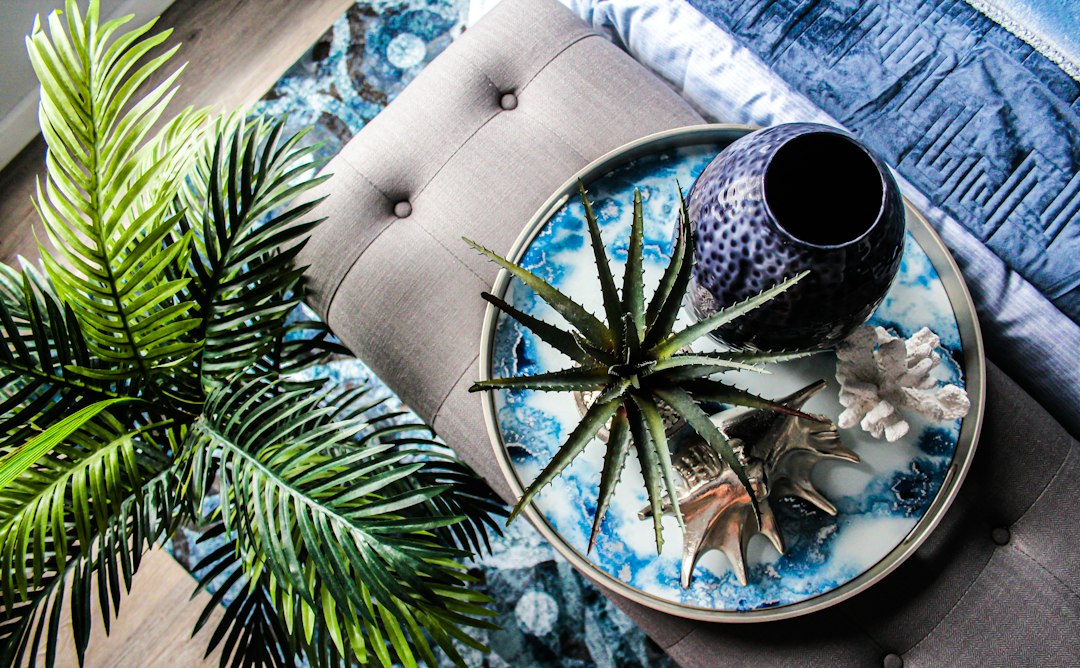
Textures and patterns are essential elements that can elevate your interior styling game. When mixing and matching goods, aim to incorporate a variety of textures to create a layered and inviting atmosphere. For instance, pair soft fabrics like velvet or linen with harder materials such as wood or metal. This contrast adds dimension and richness to your space, making it feel more dynamic and engaging.
Patterns can also play a significant role in your design. When mixing patterns, it’s important to maintain a sense of harmony. A good rule of thumb is to mix patterns of different scales; for example, pair a large floral print with smaller geometric designs. This technique prevents your space from feeling chaotic while still allowing for visual interest. Remember to keep your color palette in mind when selecting patterns to ensure they complement each other effectively.
Layering Your Decor
Layering is a powerful technique in interior styling that can transform a flat space into a visually captivating one. Start by arranging larger items, such as furniture, and then gradually add smaller decorative pieces. Consider using items like books, candles, and vases to create layers on shelves or tables. These smaller items can serve as focal points and conversation starters, enhancing the overall aesthetic of your space.
When layering, think about the height and scale of your decor. Varying the heights of your items creates visual interest and prevents your space from feeling monotonous. For example, place taller items at the back of a shelf and shorter ones in front. Additionally, don’t forget to incorporate personal touches, such as photographs or souvenirs, to make your space uniquely yours. This personal flair will make your interior styling truly stand out.
Step-by-step plan:
Step 1: Define your personal style and create a mood board for inspiration. Step 2: Choose a cohesive color palette using the 60-30-10 rule. Step 3: Incorporate a variety of textures and patterns while maintaining harmony. Step 4: Layer your decor thoughtfully, varying heights and including personal touches.